

Who We Are

Jacob Schreiber (2005-2024) was a brilliant, kind, and talented student at Brown University when, in the summer of 2024, he died by suicide.
At the time of his death, Jake had found his community among like-minded students on campus and was looking forward to declaring a physics major with a concentration in astronomy. He had developed his compositional skill and passion for electronic music to a high level: headphones on, composing, Jake could spend hours lost in creative flow, and here, too, he found community, collaborating with DJs and other professionals all over the world. He was a varsity tennis player through high school and a beautiful skier who adored winter breaks in the mountains of the American West.
Jake was a kind and devoted big brother and son, grandson, cousin, and friend. He had grown up deeply rooted in family, and supported in health and happiness. He wore his giftedness lightly; he was caring, witty, and gracious. Jake knew joy. Jake shared joy. Jake was thriving.
The staggering mismatch between the richness of Jake’s life, just opening onto full-fledged adulthood, and the unanticipated crisis that led to his death, leaves a gap beyond grief.

Simply put, we believe that there is information to be learned from this gap that will save lives.

Recent developments in neuroscience and psychological research have yielded insight into the ways certain young people’s brains respond to crisis moments that affect everyone at some point in life, such as the loss of a relationship or a treasured opportunity. Heartbreak, a rite of passage for almost every teen, for some young people proves fatal. In fact, rejection of many kinds can prove insurmountable for this group. By examining how a neurodivergent brain processes rejection and moves toward negative urgency—deploying, impulsively, in the service of pain, all the talent and power others will have observed in school, say, or sports, or music, or art—researchers have identified interventions that can save lives.
But there is very little funding for such work, and indeed moving from clinical observations and those made in laboratories to focused interventions in real-world settings requires time, investment, and coordination. The Jake Collective is dedicated to this work.

Among all of his intellectual pursuits, Jake was most passionate about black holes. They are so enormous, so annihilating, so famously impossible to understand that we use the term “black hole” as shorthand for something the human mind cannot comprehend. Jake, however, saw a way in. He’d have stayed up all night explaining them to you: their beauty, their singularity, their infinitude.
We, following the lead of his curiosity and brilliance, will continue to cast light on the seemingly impenetrable darkness of young neurodivergent minds in acute distress. To the young people who are “masking,” appearing, in their achievements and sociability, to be without internal conflict; to the young people who believe that their brains are somehow different, even though science has not yet delivered a description that serves: We see you. We support you. We are developing the teams, tools, and information that will help you to thrive.
In this way we honor Jake and the great gift of his life.
-
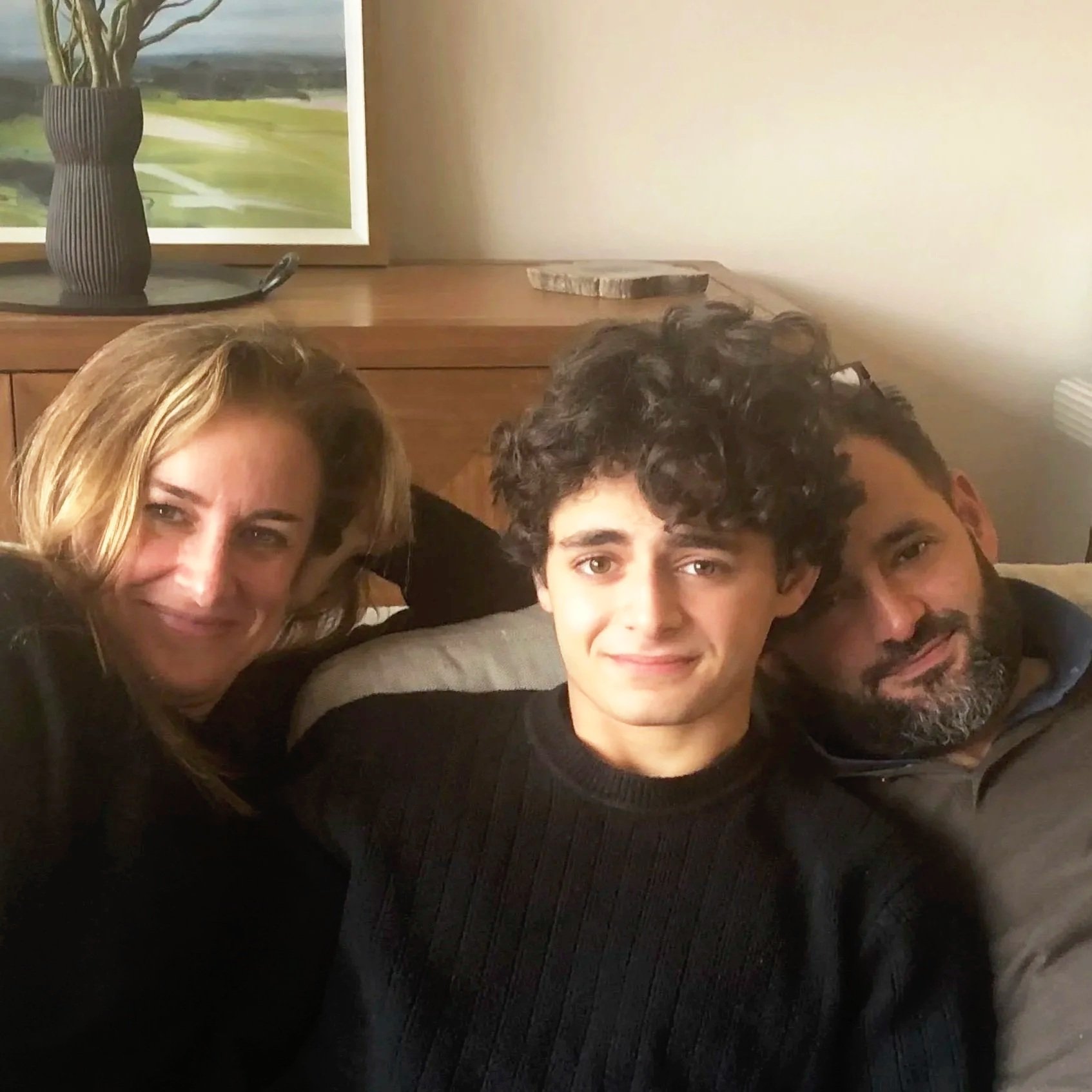
Lori & Zach Schreiber
Co-Founders, Jake Collective
#fhtogglels/Read Bios/Close/ib
Lori Schreiber, Jake’s mom, has spent more than two decades in service to her community in New York City, working with young people and for educational, hospital and community settings. As a member of Weill Cornell Medicine’s Board of Fellows, she serves on the Membership & Governance and Women’s Health Council Executive Committees. Her service to education includes trusteeship of the Dalton School and leadership, as Co-Chair, of the Dean’s Advisory Council for the School of Human Ecology at Cornell University; she formerly served on the Dean’s Advisory Council for Brown University School of Public Health. She was for several years a trustee of the Stephen Wise Free Synagogue, and she is a current trustee of the Natan Fund. She is also actively involved with the Girls Leadership Organization and the Harlem Children’s Zone. Lori is a graduate of Cornell University and received her MBA from Columbia University.
Zach Schreiber, Jake’s dad, is Chairman, Chief Executive Officer, and Chief Investment Officer of PointState Capital, which he co-founded in 2011. A graduate of Brown University, he has been a University Trustee and has served on the President’s Leadership Council and as a member of the Watson Institute for International and Public Affairs Board of Governors. His broad-ranging philanthropic work includes his position as a long-standing board member and passionate advocate for the Harlem Children’s Zone.
-

Melissa Floren Filippone, CFA
CEO, Jake Collective
#fhtogglels/Read Bio/Close/ib
With almost three decades of experience in health care investment, research, and entrepreneurship, Melissa leads the Jake Collective across all functions. She is a cum laude graduate of Princeton University who spent her early career as a healthcare equity research analyst at RS Funds, Janus Capital, and DCF Capital. She left investing to help launch Navigenics, a Kleiner Perkins Caufield & Byers company that was a pioneer in the field of personal genomics. When the company was sold to Life Technologies (now part of Thermo Fisher Scientific), Melissa moved on to lead business development and strategy teams for health care startups focused on community and employee health. A lifelong friend of the Schreiber Family, Melissa has known and loved Jake since the day he was born.
Advisory Board
-
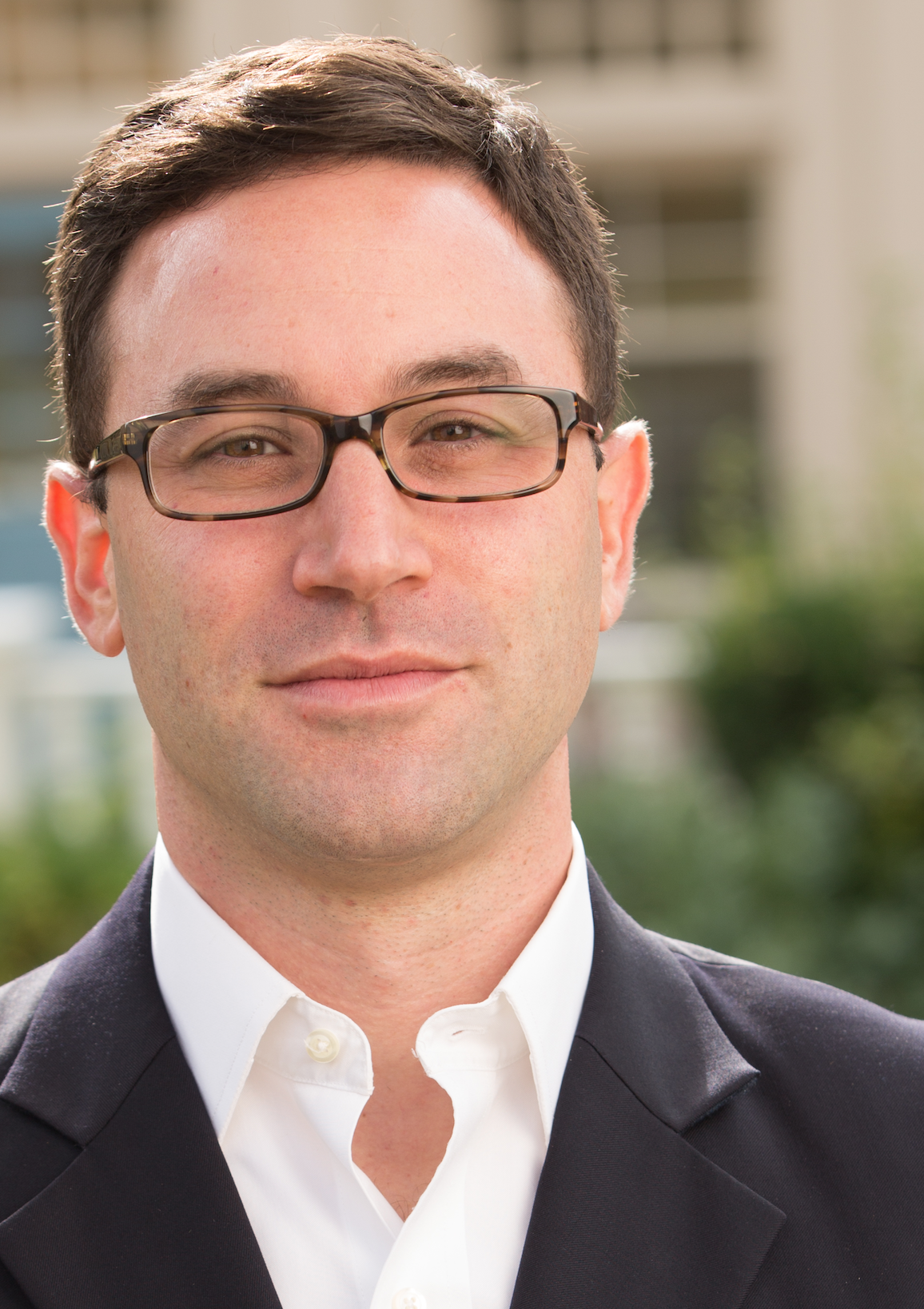
Randy Auerbach, PhD
Columbia University
#fhtogglels/Read Bio/Close/ib
Randy P. Auerbach, PhD, ABPP is the Irving Philips Professor of Child Psychiatry in the Department of Psychiatry at Columbia University and also serves as Co-Director of the Center for the Prevention and Treatment of Depression. Dr. Auerbach received his BA from Cornell University (2000) and PhD in Clinical Psychology from McGill University (2010). Dr. Auerbach’s research focuses upon improving our understanding of depression and suicide in adolescents. His research is multidisciplinary and utilizes a multimodal approach for assessment (e.g., laboratory-based experiments, passive sensor monitoring, social media, electrophysiology, and neuroimaging) to determine how depressive symptoms unfold and self-injurious and suicidal behaviors develop, and to determine what changes in the brain take place during treatment. As a whole, Dr. Auerbach’s research aims to better understand the putative mechanisms that may improve early identification of and treatment for adolescent depression and suicidal behaviors. This work is funded by grants from the National Institute of Mental Health, the Klingenstein Third Generation Foundation, the Dana Foundation: Clinical Neuroscience Research Grant, and several private foundations. To date, it has resulted in over 250 published scientific papers and book chapters. Dr. Auerbach is the recipient of a number of awards including the Joel Elkes Research Award, David Shakow Early Career Award for Distinguished Scientific Contributions in Clinical Psychology, the Richard Abidin Early Career Award, and the Theodore Blau Early Career Award.
-
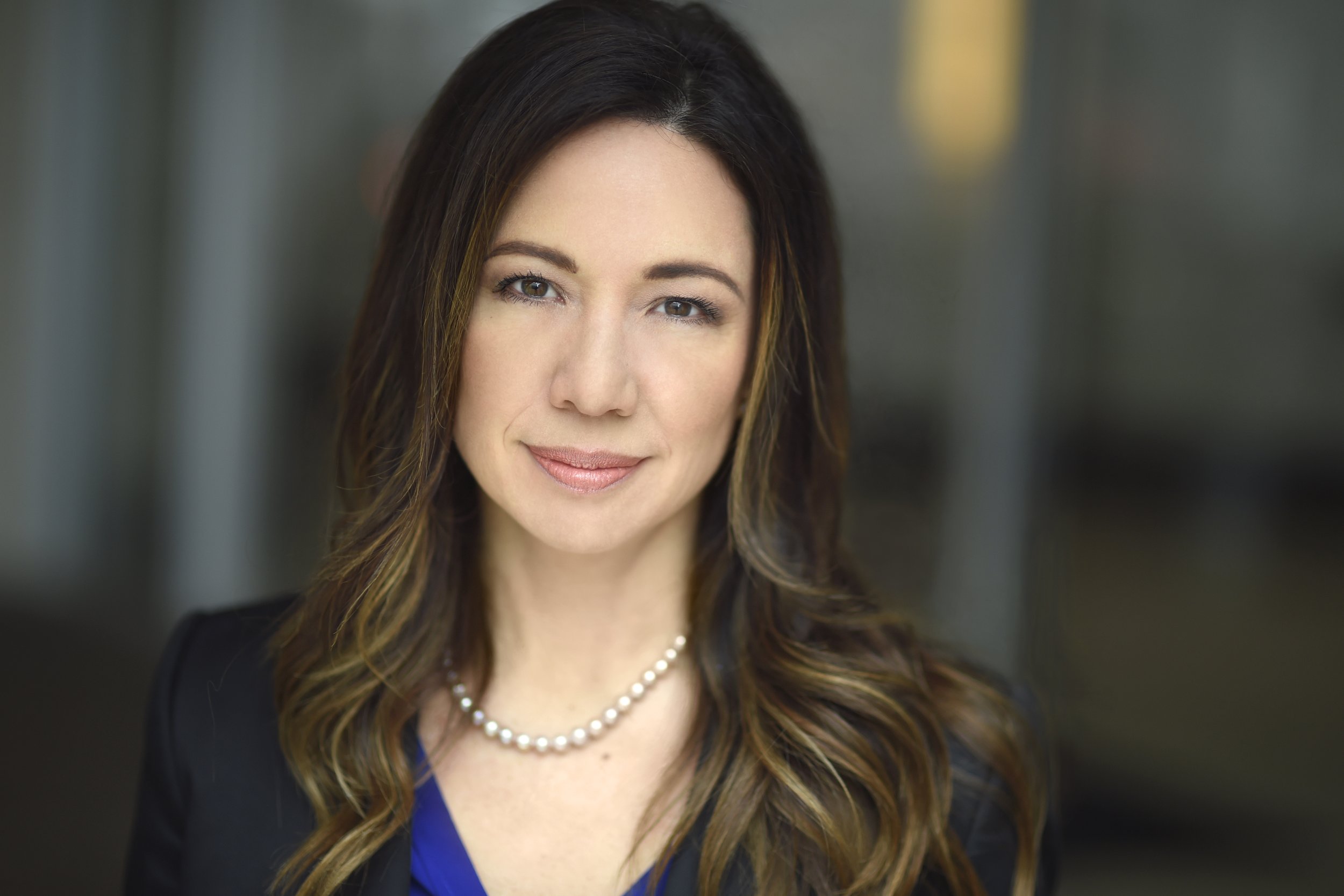
Christine Moutier
Chief Medical Officer, AFSP
#fhtogglels/Read Bio/Close/ib
Dr. Christine Yu Moutier (pronounced You Moo-tee-ay) knows the impact of suicide firsthand. While in medical training and in her early career at the University of California, San Diego, she experienced a series of tragic losses, igniting a passion to learn more about what science can tell us about suicide risk and prevention; how suicide affects communities and the role individuals, family members, colleagues and community leaders can play in reducing suicide risk. Since earning her degree in psychiatry, Dr. Moutier has been a practicing psychiatrist, professor of psychiatry, dean in the medical school, and medical director of the Inpatient Psychiatric Unit at the VA Medical Center in La Jolla, treating diverse patient populations.
A leader in the field of suicide prevention, Dr. Moutier joined the American Foundation for Suicide Prevention (AFSP) in 2013 as Chief Medical Officer. Her passion and commitment have been instrumental to broadening and strengthening AFSP’s impact through research, education, advocacy and support for those affected by suicide, delivered to a diverse range of communities across the U.S. Throughout her career, Dr. Moutier has focused on fighting stigma and optimizing care for those experiencing mental health conditions. She has prioritized equipping healthcare, law enforcement, media and other industry leaders with the knowledge and tools to change the culture related to mental health.
Dr. Moutier has authored Suicide Prevention, a Cambridge University Press clinical handbook. She has also contributed articles and book chapters to such prestigious publications as the Journal of the American Medical Association, the Lancet, Academic Medicine, the American Journal of Psychiatry, the Journal of Clinical Psychiatry, Depression and Anxiety, and Academic Psychiatry.
Dr. Moutier has received numerous awards, such as the National Alliance on Mental Illness’ (NAMI) Scientific Research Award; NAMI’s Outstanding Psychiatrist of the Year Award; the American College of Neuropsychopharmacology’s Media Award; and the Schwartz Center’s National Compassionate Caregiver Award, as well as being inducted into the Gold Humanism Honor Society.
Through her determination to leverage science and represent those impacted by suicide, Dr. Moutier is advancing AFSP’s mission of saving lives and bringing hope to those affected by suicide.
-
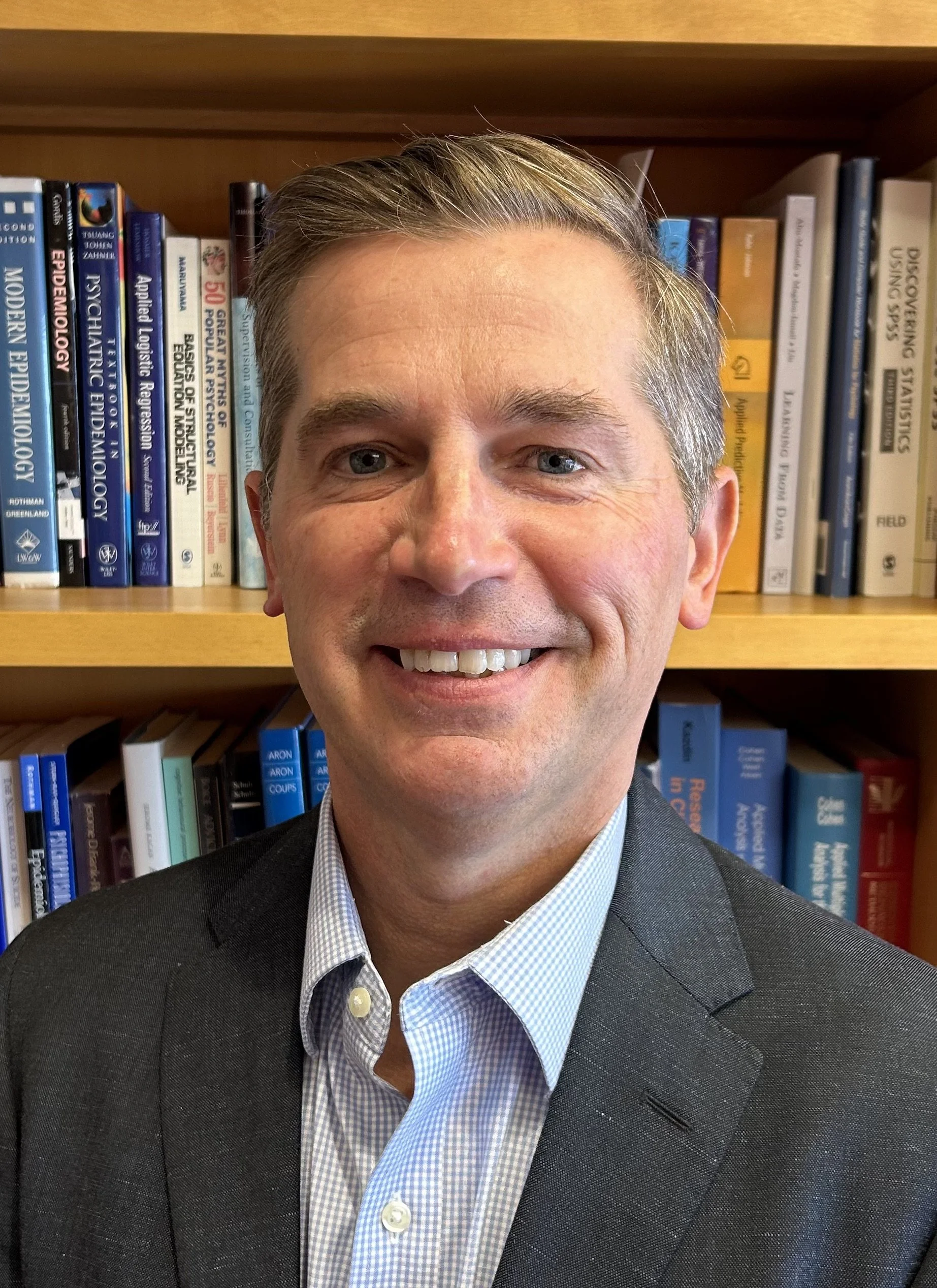
Matthew K. Nock, PhD
Harvard University
#fhtogglels/Read Bio/Close/ib
Dr. Matthew K. Nock is the Edgar Pierce Professor of Psychology at Harvard University. He received his PhD in psychology from Yale University (2003) and completed his clinical internship at Bellevue Hospital and the New York University Child Study Center (2003), joining Harvard’s faculty that same year. His research is aimed at advancing the understanding of human self-harm, with an emphasis on suicide. Dr. Nock’s research is multi-disciplinary in nature and uses a range of methodological approaches (e.g., epidemiologic surveys, laboratory-based experiments, clinic-based studies, digital monitoring via smartphones and biosensors, and web- and social-media-based studies) to better comprehend how these behaviors develop, how to predict them, and how to prevent their occurrence. The research is funded by grants from the US National Institutes of Health, US Department of Defense, US Army, and private foundations, and has been published in over 400 scientific papers. Nock’s work has been cited by other researchers 100,000 times, placing him on Clarivate’s list of the most highly cited researchers in the fields of psychology and psychiatry (top 0.1%) each year since 2016. The impact of Nock’s work has been recognized through the receipt of a MacArthur Fellowship (aka, “Genius Award”) as well as via career awards from the American Psychological Association, the Association for Behavioral and Cognitive Therapies, and the American Association of Suicidology. At Harvard, Dr. Nock has taught courses on statistics, research methods, self-destructive behaviors, and developmental psychopathology—for which he has received teaching and mentoring awards including the Roslyn Abramson Teaching Award, the Petra Shattuck Prize, and the Lawrence H. Cohen Outstanding Mentor Award.
-
Andrew Solomon
Columbia University Medical Center Weill Cornell Medical College Yale Medical School Cambridge University
#fhtogglels/Read Bio/Close/ib
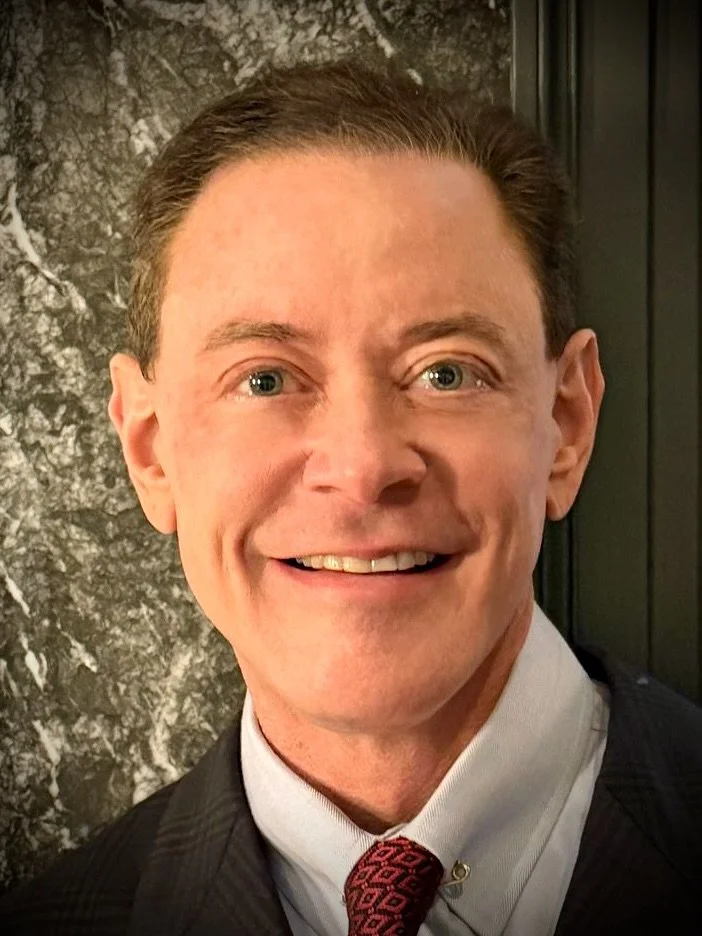
Andrew Solomon is a writer on politics, culture, medicine, and psychology; a professor of clinical medical psychology (in psychiatry) at Columbia University Medical Center; an adjunct clinical professor of psychology at Weill Cornell Medical College; a Lecturer in psychiatry at Yale Medical School; and a distinguished associate of the Centre for Family Research at Cambridge University. He also served as the former president of PEN America. Dr. Solomon’s TED talks have garnered over 25 million views. His landmark book, Far From the Tree: Parents, Children, and the Search for Identity, received the National Book Critics Circle Award for nonfiction and twenty-five additional national and international awards; it has been published in twenty-four languages. The New York Times listed Far from the Tree as one of the hundred best books of the twenty-first century. Dr. Solomon is also author of The Noonday Demon: An Atlas of Depression, which won the National Book Award and was a Pulitzer Prize finalist; it has been translated into thirty languages. He is currently writing a book on youth suicide. Expanding upon New Yorker stories he published in 2022 and 2024, this latest effort will explore the science of suicide studies as well as the larger crises of purpose and identity that underlie the modern devaluing of our shared humanity. Dr. Solomon is helping to address the issues posed by the meeting of technology and the humanities both as a trustee of the Metropolitan Museum of Art, where he chairs the Impact and Engagement Committee and serves on the Executive Committee, and as a member of the Program and Policy Committee at the New York Public Library. He also serves on the board of Human Rights Campaign (HRC); the artists’ community Yaddo; PEN America; and The Alex Fund, which supports the education of Romani children. He lives in New York, Rhinebeck, and London with his husband and son; he also has a daughter with a college friend.
-
Paula Volent, CFA
The Rockefeller University
#fhtogglels/Read Bio/Close/ib
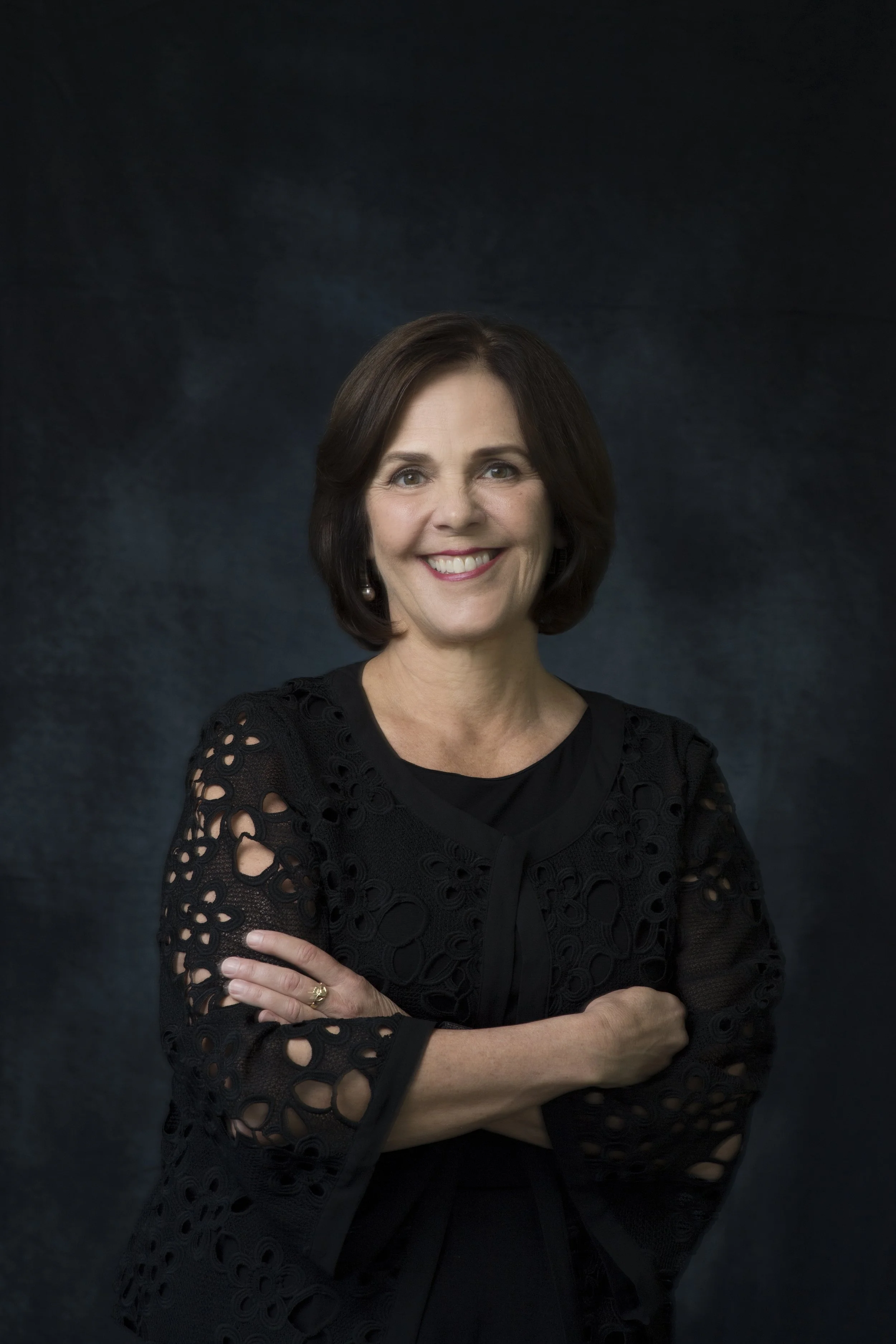
Paula Volent is Vice President and Chief Investment Officer at The Rockefeller University, the world’s leading biomedical research university. Prior to joining The Rockefeller University in August 2021, Ms. Volent served as Chief Investment Officer and Senior Vice President at Bowdoin College, one of the top five liberal arts colleges in the nation, where she was responsible for the oversight and management of the institution’s endowment. Prior to joining Bowdoin in July 2000, Ms. Volent was a Senior Associate at the Yale Investments Office. Ms. Volent holds a BA from the University of New Hampshire; a master’s degree in art history from the Institute of Fine Arts at New York University; a certificate in conservation from the Conservation Center at NYU; and, an MBA from the Yale School of Management.
She serves on the Board of Directors of MSCI, Inc.; the Board of Directors of 1st Dibs; is a member of the Investment Committee of the Pritzker Family Foundation; a Trustee of the Skowhegan School of Art and Painting; a Trustee of the Andy Warhol Foundation; a Trustee of the Standard Board of Alternative Investments (SBAI); is Vice Chair of the Yale School of Management Advisory Board; a member of the National Gallery of Art Investment Subcommittee; and, an Investment Committee member of the Rockefeller Foundation.